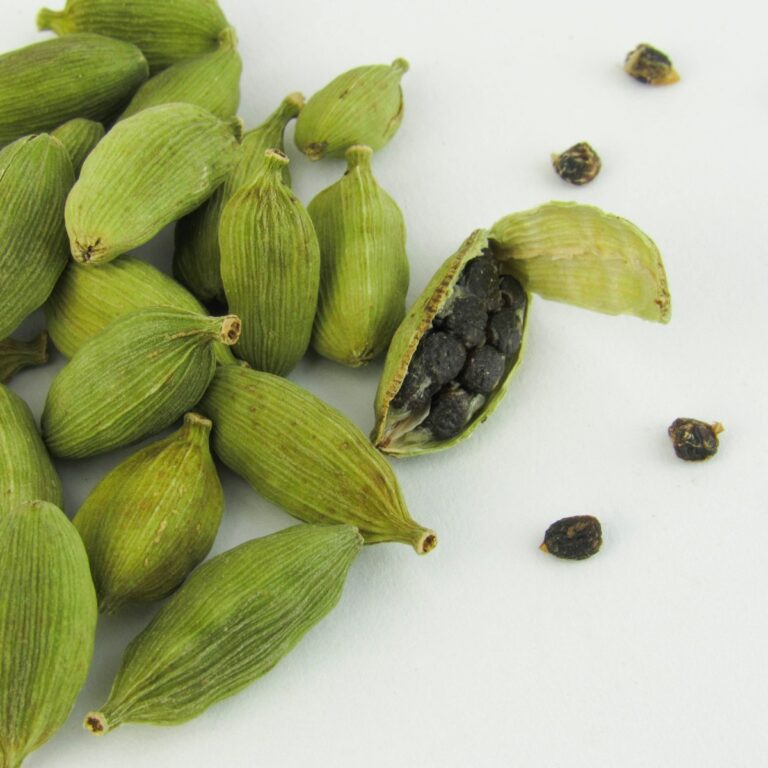
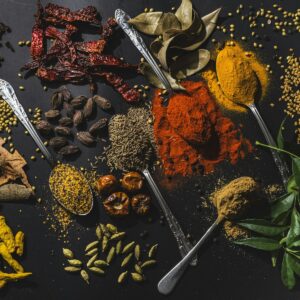
 Whole SpicesElaichi, Laung, Kali Mirch & more
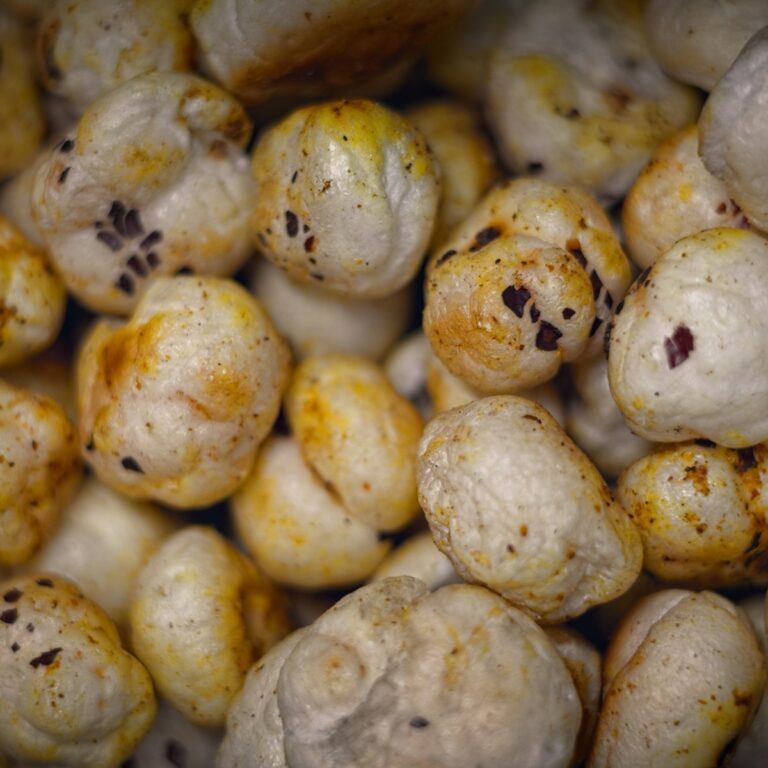
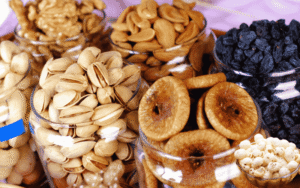 Dry Fruits & MakhanaMakhana, Kaju & Kismis
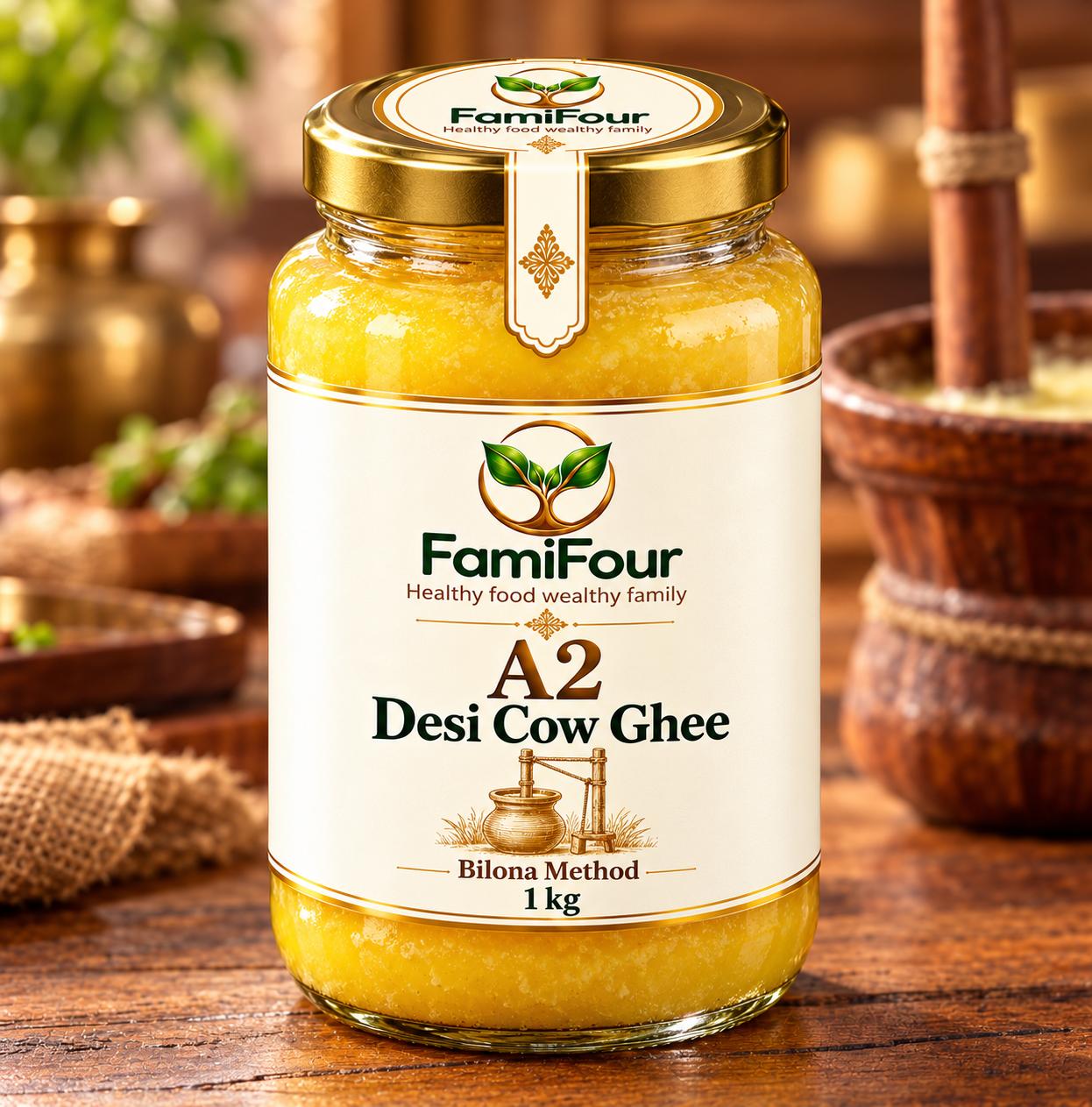
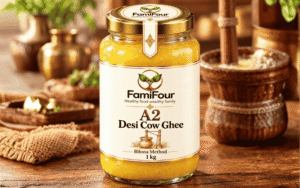 A2 Desi GheeBilona method A2 ghee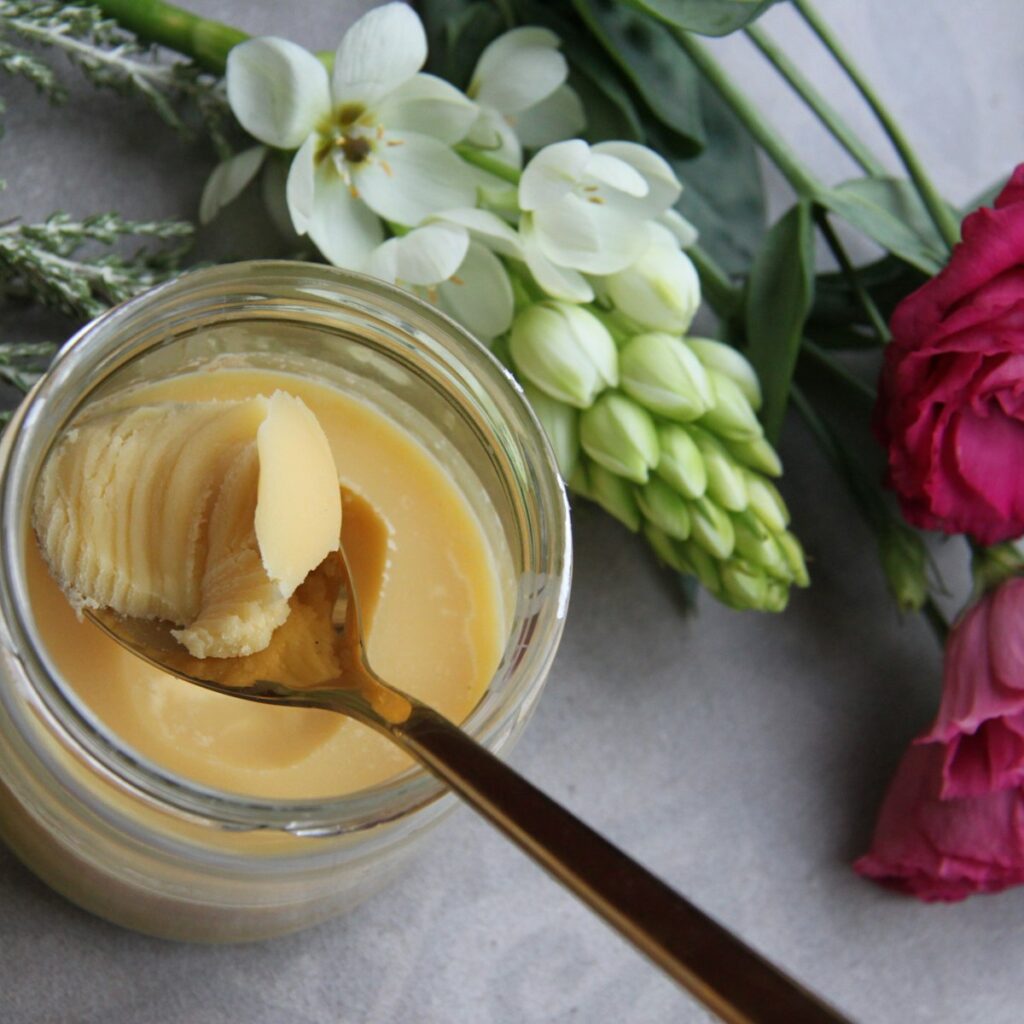
Ghee has been a part of Indian kitchens for thousands of years. But not all ghee is the same. A2 Desi Cow Ghee made by the Bilona method is the slow, traditional kind our grandmothers trusted: milk from desi cows is set into curd, hand-churned into makkhan, and then gently heated into golden, grainy ghee.
Here is why so many families are switching back to it, and why the method matters as much as the milk.
What makes Bilona ghee different?
Most commercial ghee is made directly from cream using machines. The Bilona method takes the long road:
- A2 milk to curd: Milk from Indian desi cows is boiled and set into curd overnight.
- Hand-churning: The curd is churned with a wooden bilona (mathani) until butter separates.
- Slow heating: The fresh makkhan is heated on a low flame until it turns into clear, aromatic ghee.
This process takes far more milk and time, but it gives a rich aroma, natural granules and a taste machine-made ghee rarely matches.
7 benefits of A2 Bilona ghee
1. Rich, natural aroma and taste
Because it is made from cultured curd and slow-cooked, Bilona ghee has a deep, nutty flavour. A small spoon on dal, rice or roti is enough to lift the whole meal.
2. A source of fat-soluble vitamins
Ghee naturally carries fat-soluble vitamins A, D, E and K. Healthy fats also help your body absorb these vitamins from the vegetables you eat with it.
3. Contains butyric acid
Ghee is one of the natural food sources of butyrate (butyric acid), a short-chain fatty acid that is widely studied for its role in gut health.
4. High smoke point, great for Indian cooking
Ghee can handle high heat without burning easily, which makes it ideal for tadka, frying and roasting. It does not break down as quickly as many refined oils at high temperatures.
5. Lighter on many stomachs
During clarification, most milk solids are removed, so ghee contains very little lactose and casein. Many people who find milk heavy are comfortable with small amounts of ghee. A2 milk comes from desi breeds whose milk contains the A2 type of beta-casein, which some people find easier to digest.
6. Keeps well without preservatives
Pure ghee has very little moisture, so it stays fresh for months when stored properly, without any added preservatives.
7. A tradition worth keeping
From festivals to everyday khichdi, ghee is part of Indian food culture. Choosing Bilona ghee also supports traditional methods and the farmers who still care for desi cows.
How to use A2 ghee every day
- Add a teaspoon over hot dal, khichdi or steamed rice.
- Spread on roti, paratha or dosa instead of butter.
- Use it for tadka with jeera, laung and dalchini.
- Roast makhana or dry fruits in ghee for a healthy snack.
- Make halwa, laddoo and kheer the traditional way.
How to check if your ghee is pure
- Grainy texture: Good Bilona ghee sets with natural granules (daanedar).
- Aroma: It should smell fresh and nutty, never sharp or stale.
- Melting: A spoonful melts quickly on a warm pan and turns clear golden.
- Source: Buy from a brand that tells you exactly where and how it is made.
Storage tips
Store ghee in a clean, dry glass jar, away from direct sunlight. Always use a dry spoon so water does not get in. There is no need to refrigerate, but in hot weather a cool shelf helps keep its aroma.
Try it yourself: Our A2 Desi Cow Ghee (Bilona Method) is made the traditional way and packed in glass jars of 500g and 1kg.
Note: This article is for general information. If you have a medical condition or special diet, please check with your doctor or nutritionist.